 Turkce
 English
 Deutsch
 Français
 Italiano
 Español
Cataract Surgery
What is Cataract?
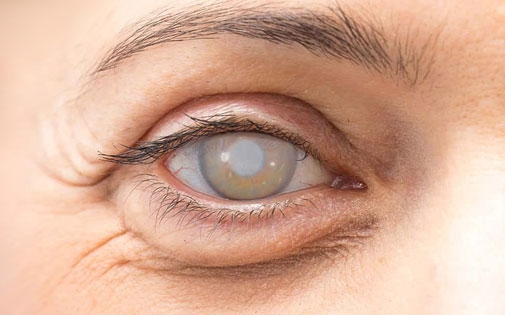
Cataract is the clouding of the natural lens of the eye. It most commonly occurs with aging (usually after the age of 55). When left untreated, the cloudy lens gradually reduces vision.
In addition to age, conditions such as diabetes, long-term corticosteroid use, uveitis, eye trauma, and certain systemic diseases may lead to earlier development of cataracts.
What Are the Symptoms of Cataract?
-
Decreased vision
-
Persistent blurred vision
-
Faded or dim colors
-
Glare and light sensitivity, especially at night
-
Difficulty reading subtitles or small text
-
Difficulty with near vision
-
Frequent changes in glasses prescription
Cataracts can also be congenital. In infants, lack of eye contact, eye deviation, frequent falling, or difficulty recognizing faces require immediate ophthalmologic evaluation.
How is Cataract Treated?
The only effective treatment for cataract is surgery. The cloudy natural lens is removed and replaced with an artificial intraocular lens.
Cataract surgery is not an emergency, but delaying surgery may lead to more complex procedures and longer recovery. The most common method is phacoemulsification, in which the cloudy lens is broken up using ultrasonic waves and replaced with an artificial lens. The procedure is usually performed under local anesthesia.
After Cataract Surgery – Important Considerations
-
Do not rub the eyes for several days
-
Avoid bending forward
-
Avoid heavy lifting
-
Use prescribed eye drops regularly
-
Follow the duration of medication as advised by your doctor
Complex Cataract Cases
Some cataracts may require advanced surgical techniques and experience. Both routine and complex cataract surgeries are performed with precision and care.